






What to know about fly tipping fines Camden council Kentish Town
Posted on 18/06/2026

What to Know About Fly Tipping Fines Camden Council Kentish Town
If you have searched for What to know about fly tipping fines Camden council Kentish Town, chances are you are dealing with a concern that feels urgent, awkward, or a bit unfair. Maybe rubbish has been dumped near your property. Maybe you are a landlord, tenant, or business owner trying to understand your responsibilities. Or maybe you are simply trying to avoid a mistake that could lead to a fine or a messy dispute later on.
Fly tipping is not just an eyesore. In a place like Kentish Town, where streets are busy, narrow, and used by residents, traders, and visitors every day, illegally dumped waste can become a real practical problem very quickly. The good news is that understanding how Camden council approaches enforcement, what evidence matters, and how to manage waste properly is straightforward once someone explains it in plain English. That is what this guide does.
You will find what fly tipping means, how fines are usually handled, what can trigger enforcement, how to respond if you receive a notice, and what sensible prevention looks like in everyday life. We will also cover the kind of rubbish-clearance habits that help you stay on the right side of things, whether you are clearing a flat, an office, a garden, or a building project.
- Why it matters in Kentish Town
- How fly tipping fines work
- Key benefits of getting it right
- Who needs this information
- Step-by-step guidance
- Expert tips
- Common mistakes to avoid
- Tools, resources and recommendations
- Law, compliance and best practice
- Options and comparison
- Case study example
- Practical checklist
- Conclusion
- Frequently asked questions
Why What to know about fly tipping fines Camden council Kentish Town Matters
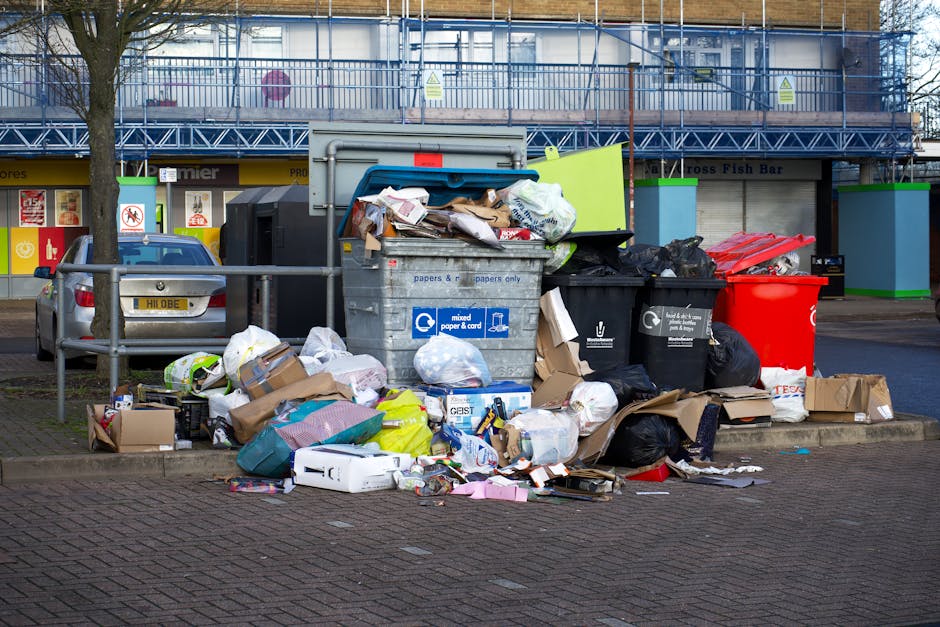
Fly tipping matters because the consequences are wider than most people expect. A dumped sofa, bag of builder's rubble, broken appliance, or bundle of black bags might seem small at first glance. Then the wind moves it, rain breaks it open, and suddenly it is a nuisance, a hygiene issue, and a local complaint all in one. Let's face it, nobody wants that scene outside their door on a Monday morning.
In Kentish Town, the density of housing and the constant flow of daily life mean that waste can become visible fast. A pile left beside a wall or beside shared bins can affect neighbours, attract more dumping, and make a street feel neglected. For landlords and managing agents, it can also create awkward questions about who left what behind. For tenants, it can mean pressure to prove that rubbish was not theirs. For homeowners, it may simply be expensive and stressful.
Camden council, like other London boroughs, treats fly tipping as an enforcement issue because the cost of clearing it usually falls on the community if nobody takes responsibility. That is why prevention, record-keeping, and using legal disposal routes matter. If you have ever stood in front of a half-cleared hallway wondering where a pile of old units or renovation debris should go, you already know this is not theory. It is real life.
One useful way to think about it is this: the council is not just looking for a person to blame. It is looking for evidence, responsibility, and whether waste was disposed of properly. That makes good habits and a bit of paperwork surprisingly powerful.
How What to know about fly tipping fines Camden council Kentish Town Works
Fly tipping fines are generally tied to the idea that waste was abandoned illegally or handed to someone who was not authorised to deal with it properly. In practice, enforcement can involve fixed penalty notices, requests for information, warning letters, or more serious action in cases that involve larger quantities, repeat behaviour, or clear evidence of organised dumping. The exact handling depends on the circumstances, so it is wise not to assume every case is treated the same way.
What often surprises people is that you do not need to personally dump rubbish with your own hands to get drawn into the issue. If waste was given to the wrong person, left out without following proper collection arrangements, or placed in a way that creates ambiguity over ownership, you may still need to explain what happened. This is why receipts, booking confirmations, photographs, and written messages can matter so much.
The process usually becomes simpler when the evidence is clear. For example, if you used a licensed clearance service, kept a note of what was removed, and saved the invoice, you have a much stronger position than someone who paid cash, accepted a vague promise, and then lost all contact with the remover. A bit old-fashioned, but documentation still helps. A lot.
In everyday terms, the council's concern is usually threefold:
- Was the waste deposited unlawfully?
- Can responsibility be traced to a person, address, or business?
- Is there evidence that supports enforcement or a defence?
If you receive a notice or are asked to explain rubbish that was found near your premises, respond calmly and quickly. That is not me being dramatic; delays tend to make things harder, not easier.
Key Benefits and Practical Advantages
Understanding fly tipping fines is not just about avoiding trouble. It also gives you practical advantages that make day-to-day waste management easier and cheaper in the long run.
First, you reduce the risk of avoidable financial loss. A fine, enforcement notice, or clean-up cost can be far more expensive than arranging proper waste removal in the first place. That is the obvious bit, but it is still the most important bit.
Second, you protect your reputation. This matters for landlords, letting agents, builders, shop owners, and office managers. When rubbish appears outside a property or on a frontage in Kentish Town, people notice. Neighbours notice. Passers-by notice. Sometimes a photo ends up in a group chat before you have even had your first coffee.
Third, you stay better organised. Keeping records of collections, taking before-and-after photos, and knowing what happens to mixed waste saves time later. It also makes it easier to answer questions if anyone challenges you.
Fourth, you make safer decisions. Proper removal keeps heavy items, sharp material, and dusty debris away from shared paths and entrances. If you are sorting renovation waste, a safer process is usually a cleaner process too. That sounds simple because it is.
If you are trying to plan a lawful clearance, it can help to review the available waste and clearance services overview and, where relevant, check practical guidance on recycling and sustainability. Those pages are useful if your goal is to remove waste properly rather than risk a problem later.
Who This Is For and When It Makes Sense
This topic matters to a surprisingly wide group of people. If you live, work, rent, buy, or manage property in Kentish Town, you may need this information sooner or later.
Homeowners should pay attention when clearing lofts, gardens, garages, or bulky household items. It is easy to assume a pile of old stuff can sit a few days longer. Then it becomes weeks. Then it becomes somebody else's complaint.
Tenants need to be especially careful when moving out. Shared bin areas, hallway clutter, and leftover furniture can create disputes about responsibility. A simple move-out clean-up can go sideways if no one is clear on who arranged disposal.
Landlords and letting agents often need a system for abandoned rubbish, end-of-tenancy clearances, and communal waste. If a property has recently changed hands or had a fast turnover, it can be hard to tell where the waste came from unless records are kept.
Builders and tradespeople should take special care with rubble, timber, packaging, plasterboard, and mixed construction waste. Building waste is one of the easiest things to mishandle because it builds up quickly and looks harmless until it is not. If that sounds familiar, you may want to look at builders waste disposal in Kentish Town.
Office managers and local businesses also need a clear process. Old desks, printers, stock, cardboard, and refurb debris can pile up behind the scenes before anyone spots the risk.
Truth be told, if waste is leaving your hands, you should know where it is going. Simple as that.
Step-by-Step Guidance
If you want to avoid fly tipping problems in Kentish Town, the safest approach is to treat waste as something that needs a proper chain of responsibility. Here is a straightforward process that works well in practice.
- Identify the waste clearly. Separate household rubbish, garden waste, builder's waste, furniture, electrical items, and anything that may need special handling. Mixed waste causes confusion and, honestly, makes mistakes more likely.
- Decide whether it needs licensed removal. If the volume is more than you can legally and safely take yourself, arrange a proper collection. Do not guess. A small number of bulky items can still be awkward.
- Choose a reputable collection route. Make sure the service is clear about what it will take, how it will load it, and what happens after collection. If the quote looks too vague, ask for more detail.
- Keep evidence. Save the booking details, invoice, and any messages. Take photos of what was removed before collection. It only takes a minute, and that minute can save a headache later.
- Move the waste at the right time. Do not leave bags, mattresses, or furniture in communal spaces or on the street "just for a bit." In real life, "just for a bit" often becomes enough time for complaints.
- Confirm the area is left tidy. Check that no fragments, packaging, or loose material remain. A poor finish can look like dumping even when the main collection was legitimate.
- Respond quickly to any issue. If someone questions the waste, explain what happened and share your records. Calm evidence works better than panic.
If you are comparing options for clearance, you may also find it useful to review rubbish removal in Kentish Town or broader waste clearance support depending on what you need removed. For some jobs, a focused service is cleaner and cheaper than juggling it yourself.
Expert Tips for Better Results
Here are the small, practical habits that make a real difference.
Keep your waste story simple. If you can explain where the waste came from, who handled it, and when it left the property, you are already ahead. The more tangled the story, the more awkward the follow-up.
Use photos before collection. A quick phone picture of the items, location, and access point can be genuinely useful if there is later confusion. No need for a cinematic shot. Just clear and dated enough.
Separate bulky items from loose rubbish. Sofas, wardrobes, and white goods create different handling needs from bagged waste. Mixing everything together can make a clearance slower and, sometimes, pricier.
Do not rely on informal arrangements. A neighbour, friend, or random cash-in-hand remover may seem convenient, but convenience can be expensive if the waste gets dumped. You know the type of story: quick favour, then nobody answers the phone.
Think about access and timing. In busy streets, tight stairwells, or shared courtyards, the difference between a smooth collection and a chaotic one is often just planning. A 10-minute conversation beforehand can save a 2-hour mess later.
Build a habit around receipts. Keep them with tenancy paperwork, property records, or job folders. It is not glamorous, but it is useful.
If you are trying to keep things orderly and reduce risk, a service page like house clearance in Kentish Town can be a practical starting point for larger domestic jobs. For business premises, office clearance may be the better fit.

Common Mistakes to Avoid
Most fly tipping problems are not caused by outrageous behaviour. They usually come from sloppy habits, rushed decisions, or trust placed in the wrong place.
- Leaving waste beside a bin store. If it is not collected immediately, it can be treated as abandoned. Even if you meant well, that is not a great place to be.
- Using an unverified remover. A cheap offer can be tempting, especially when you are trying to clear a room fast. But if the remover dumps your waste elsewhere, the trouble can come back to you.
- Not keeping proof of collection. No receipt, no message history, no photos. Then you are left trying to reconstruct events days later. Painful.
- Assuming someone else will sort it out. In shared properties, people often think the other person booked the clearance. Spoiler: they did not.
- Mixing hazardous or specialist items with ordinary rubbish. Certain items need extra care. Do not treat every load the same way.
- Underestimating garden waste. Branches, soil, and cuttings can build up fast. A few trips to the kerb can turn into a problem if they are not managed properly.
A small aside: the number of times a "temporary pile" becomes everyone's problem is, frankly, a bit embarrassing. Best to avoid that story entirely.
Tools, Resources and Recommendations
You do not need fancy tools to stay compliant. You need a few sensible routines and the right kind of support.
Phone camera: Useful for before-and-after photos, access routes, and keeping a visual record of what was removed.
Digital folder: Keep receipts, invoices, and messages together. A single folder on your phone or computer is usually enough.
Property handover checklist: Very helpful for landlords, agents, and tenants. Note what was left, what was removed, and who arranged the collection.
Clearance planning: If you are moving, renovating, or emptying a flat, plan the waste route at the same time as the rest of the job. Waste should not be an afterthought.
Practical support pages: If you need to see what a service includes, the services overview and service listing can help you match the job to the right kind of collection. If price is the main concern, review pricing and quotes so you know what to expect before booking.
For homeowners who want a lighter-touch solution, items can often be tackled in stages. For example, a small loft clear-out one week and garden waste another. That approach is often calmer than trying to deal with everything at once, especially in older terraced homes where access is tight and the stairs creak a bit.
Law, Compliance, Standards, or Best Practice
When dealing with fly tipping fines, it is best to think in terms of responsibility and evidence rather than trying to guess a single universal rule. UK waste law and local enforcement practice place expectations on people and businesses to dispose of waste properly and to use authorised channels. In plain English, if you produce the waste, you should be able to show what happened to it.
Best practice usually includes the following:
- Use a lawful waste carrier or collection route.
- Keep documentation for collections and disposals.
- Make sure waste is not left in public or shared spaces without arrangement.
- Separate items that need special handling.
- Report suspicious dumping rather than moving it casually yourself if you are not responsible for it.
If you run a business or manage rental property, your duty of care is even more important. That does not mean you need to become a waste-law expert overnight. It does mean you should set a simple process and stick to it. When in doubt, documentation is your friend.
For readers who want to understand how a provider approaches safety, it can also help to read about insurance and safety before arranging a collection. And if you are trying to improve your environmental approach, the company's recycling and sustainability page is worth a look.
Options, Methods, or Comparison Table
There is more than one way to deal with waste in Kentish Town, but not every option fits every situation. Here is a simple comparison to make the choice easier.
| Option | Best for | Pros | Watch-outs |
|---|---|---|---|
| DIY disposal | Very small loads you can legally transport yourself | Can be cheap and flexible | Time-consuming, access issues, risk of incorrect disposal |
| Local council route | Approved disposal where available | Structured and legitimate | May take planning and may not suit urgent clearances |
| Professional clearance | Bulky, mixed, or time-sensitive waste | Fast, convenient, documented | Needs a sensible quote and clear scope |
| Informal helper or cash job | Rarely a good choice | Seems quick at first | Highest risk of dumping, poor records, and disputes |
In most real-world cases, the safest option is the one that gives you the best paper trail and the least uncertainty. Cheap is fine. Vague is not.
Case Study or Real-World Example
Here is a realistic example based on the kind of situation that comes up again and again.
A small landlord in Kentish Town cleared a flat after a tenancy ended. The tenant had left behind a broken wardrobe, several bags of mixed household waste, and some old electronics. The landlord initially thought about leaving the items in the alley for a "quick pickup" later in the week. Then they paused and realised that would be a bad idea. Quite right too.
Instead, they arranged a proper clearance, took photos of the items before collection, saved the booking details, and kept the final invoice. They also separated the electronics from the rest of the load, which made the job cleaner and easier to explain. A few days later, a neighbour asked whether the rubbish had been dumped. The landlord could answer immediately and show the records.
The useful lesson is not that the job was dramatic. It was not. The useful lesson is that a little organisation turned a potential complaint into a non-event. That is how these things usually go when they are handled properly.
If you are a landlord or managing agent, you may also find this landlord clearance example useful as a practical reference point, especially when tenancy changes happen quickly and waste appears unexpectedly.
Practical Checklist
Use this checklist before any clearance or disposal job in Kentish Town:
- Have I identified exactly what needs removing?
- Have I separated bulky, hazardous, and mixed waste?
- Do I know who is responsible for the items?
- Have I chosen a lawful removal route?
- Have I saved the booking details or invoice?
- Have I taken photos before collection?
- Will the waste be left anywhere public or shared while I wait?
- Do I understand whether the job needs special handling?
- Have I checked access, parking, and timing?
- Will I be able to prove the waste was removed properly if asked?
If you can tick most of those boxes, you are in good shape. If not, stop and fix the weak points before anything is left outside.
Conclusion
Knowing What to know about fly tipping fines Camden council Kentish Town is really about knowing how to protect yourself, your property, and your peace of mind. The core idea is simple: do not leave waste in limbo, do not trust unclear disposal arrangements, and do keep records that show you acted responsibly.
For residents, landlords, builders, and businesses in Kentish Town, the best outcome is usually not about avoiding a fine after the fact. It is about preventing the situation altogether. A little planning, a clear chain of responsibility, and a proper clearance route can save you time, money, and a lot of unnecessary stress.
And honestly, that is a relief. Waste is one of those dull life admin jobs that can become surprisingly annoying if you ignore it for even a few days. Sort it once, keep the proof, and move on with your day.
Get a free quote today and see how much you can save.
Sometimes the simplest choice is also the smartest one, and that feels good, doesn't it?


 Tipper Van - Waste Collection and Rubbish Removal Prices in Kentish Town, NW5
 Luton Van - Waste Collection and Rubbish Removal Prices in Kentish Town, NW5