






Avoid hidden rubbish removal charges in Kentish Town
Posted on 15/05/2026
Avoid hidden rubbish removal charges in Kentish Town: a practical local guide
Most people do not mind paying for rubbish removal. What they mind, quite rightly, is the surprise bit at the end. A quote sounds tidy, the job looks straightforward, and then the bill arrives with "extra labour", "access issues", "minimum load adjustments" or some other line that was never clearly mentioned. If you are trying to avoid hidden rubbish removal charges in Kentish Town, the good news is that it is very manageable once you know what to ask, what to watch for, and what a proper quote should look like.
This guide is written for real-life situations: a flat clearance on a tight NW5 street, a landlord clearing a property between tenancies, a builder with mixed waste after a small refurb, or a homeowner finally tackling the shed that has become a miniature landfill. Truth be told, most pricing problems happen before the van even arrives. So let's fix that first.
For a broader view of what a reputable local provider should offer, you may also want to look at the site's services overview and the main rubbish removal in Kentish Town page, especially if you are comparing a few different jobs at once.
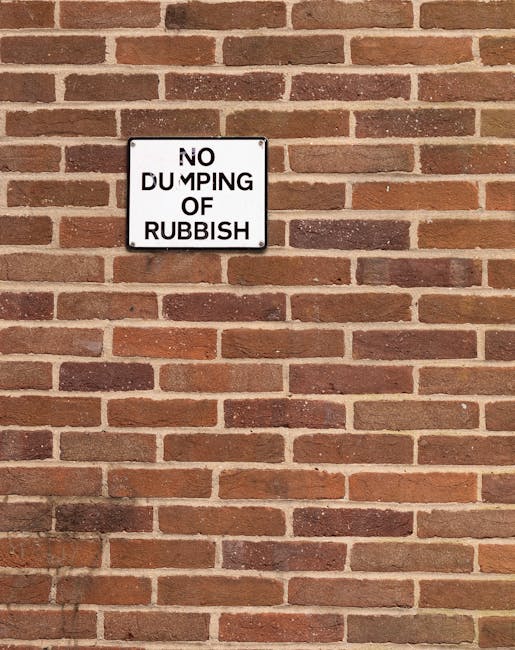
Why Avoid hidden rubbish removal charges in Kentish Town Matters
Hidden charges are not just irritating. They can change whether a service is genuinely good value. In a local area like Kentish Town, where properties vary from compact flats to larger terraced homes and commercial spaces, pricing can shift quickly depending on access, volume, waste type and timing. That does not mean the final price should be vague. It means the quote should explain the moving parts clearly.
The main issue is trust. If a company presents one price and then keeps adding cost later, the customer is left guessing. And once that happens, the whole job feels heavier than it should. People start wondering whether they were overcharged, whether the team was in a rush, or whether they should have chosen a different provider from the start. Not ideal, obviously.
There is also a practical reason to be careful. A cheap-looking quote can be less competitive than a transparent one once the extras are added. A slightly higher upfront quote may actually be better value if it includes loading, disposal, transport, labour and reasonable access assumptions. That is why the lowest price is not always the best deal. Sometimes it is the most expensive one wearing a disguise.
For customers making a bigger decision about property or moves, it can help to think locally as well. If you are sorting out a purchase or a move in the area, the articles on house buying in Kentish Town and smart property buying strategies are useful context because waste clearance often comes up during viewings, completions, and post-move clear outs.
How Avoid hidden rubbish removal charges in Kentish Town Works
The principle is simple: compare like with like. A proper rubbish removal quote should make it clear what is included, what may cost extra, and what details are needed to keep the price accurate. The cleaner the information exchange before the job, the less chance there is of awkward surprises on collection day.
In practice, the process usually follows a pattern:
- You describe the waste type, amount, and access conditions.
- The company gives an estimate or fixed price based on those details.
- You confirm any variables, such as stairs, parking, bulky items, or same-day timing.
- The team arrives, assesses the load, and completes the job under the agreed terms.
- The invoice should match the quote unless something genuinely changed and was explained clearly first.
Where things go wrong is usually in the gaps. For example, a customer may say "a few bags and some furniture", but the job turns out to be a full garage clearance with old tiles, a broken fridge and awkward access down two flights of stairs. That kind of mismatch is not a hidden charge issue in itself; it is a quote-accuracy issue. But the fix is the same: give enough detail upfront and insist the provider does the same.
If you want to understand the structure of different service types, the our services page is a helpful starting point. It can help you see whether you need general rubbish removal, a specialist clearance, or something more specific such as builders waste disposal in Kentish Town or house clearance in Kentish Town.
Key Benefits and Practical Advantages
Getting pricing right has obvious financial benefits, but the practical advantages go further than that.
- Better budgeting: You know the real cost before the team arrives, so you can plan properly.
- Less stress: No one enjoys a tense discussion at the kerbside about extra fees.
- Cleaner comparisons: Transparent quotes make it easier to compare providers on service, not just on headline price.
- Faster decisions: When the pricing is clear, booking feels much easier.
- Fewer delays: A detailed quote reduces back-and-forth on the day.
- Better service fit: You can match the job to the right type of removal, such as garden waste, office clearance, or a one-off domestic clearance.
There is also a less obvious benefit: clarity tends to lead to better behaviour on both sides. The customer is more careful about what is included. The provider is more careful about what is promised. That combination saves time and, quite often, a bit of embarrassment too.
For customers who also care about responsible disposal, the site's recycling and sustainability information is worth a look. It is not just about price. It is also about where the waste ends up and whether recyclable material is being handled properly.
Expert summary: A transparent rubbish removal quote should tell you what is included, what could change the price, and how the collection will be handled. If it does not, ask before you book. That one habit saves a surprising amount of money and hassle.
Who This Is For and When It Makes Sense
This matters for a wide range of people, and not only those clearing out a cluttered house for the first time.
Homeowners and tenants
If you are moving, downsizing, or finally clearing the spare room that has turned into storage for three generations of "useful" things, a clear quote helps you stay on top of the moving budget. Tenants especially need to avoid last-minute panic, because same-day removals can become expensive if the waste is more than expected.
Landlords and letting agents
Void periods are already costly enough. If a property needs a quick clear between occupiers, any unclear surcharge can eat into the margin. A straightforward quote is a small thing, but it helps the turnover move smoothly.
Builders, tradespeople and renovators
Construction waste is where pricing ambiguity often sneaks in. Mixed materials, plasterboard, timber, tiles and packaging may be charged differently depending on load type. If you need something more specific, look at the dedicated builders waste disposal page rather than assuming a general rubbish quote will cover it all.
Small businesses and offices
Office clearance jobs may involve desks, chairs, file cabinets, screens, electrical items and confidential waste. That mix can affect price and timing. It is worth checking the provider's office clearance service if your job is commercial rather than domestic.
Garden and outdoor clear-outs
Soil, hedge cuttings, branches, old fencing and plant pots can create a surprisingly bulky load. The shape of the waste matters nearly as much as the weight. If this is your situation, the garden waste removal page may be more relevant than a generic collection.
Step-by-Step Guidance
If you want the short version, here it is: be precise, ask direct questions, and get the key terms in writing. But let's break that down properly.
1. Describe the waste as clearly as you can
Do not just say "junk" or "a bit of rubbish". Say what it actually is. Include furniture, white goods, bagged waste, cardboard, soil, rubble, wood, garden cuttings, or anything that needs special handling. If there are awkward items, mention them. A washing machine is not the same as five bin bags. Obvious, but worth saying.
2. Share photos from the right angles
Photos help, but only if they are useful. Take one from far back, one closer in, and one showing access routes such as stairs, narrow hallways, or a basement. In Kentish Town, where access can be fiddly and parking is not always simple, this can make a meaningful difference to price accuracy.
3. Ask what is included in the quote
Specifically ask whether the price includes:
- loading and lifting
- labour time
- transport
- disposal or recycling fees
- parking or congestion-related assumptions
- VAT, if applicable
If a company cannot answer those questions clearly, pause. That is a sign to slow down, not speed up.
4. Confirm possible extras before booking
Some jobs may genuinely cost more because they are unusual. Examples include heavy builders' waste, restricted access, urgent same-day collection, or items needing special handling. The key is that the extra should be discussed first, not sprung on you later.
5. Read the terms and conditions
This is the unglamorous bit. Still, it matters. A company's terms and conditions should explain cancellations, minimum charges, load definitions and what happens if the job changes on arrival. A few minutes of reading can prevent a much longer conversation later.
6. Check payment and safety details
If you are paying online or by card, it helps to know how payment is handled. The site's payment and security page explains the basics of safe transactions. And if the job involves larger items or tricky access, the insurance and safety page is a reassuring place to check how the work is managed.
Expert Tips for Better Results
Here are a few practical habits that make a real difference. Not flashy. Just useful.
- Ask for a written quote or written confirmation: A text or email is often enough, as long as it states the key details.
- Use exact item counts where possible: "Two sofas, one mattress, six bags, one wardrobe" is much better than "a few bits".
- Check whether the provider charges by load volume, item type, or time: Different models suit different jobs.
- Be honest about access: If the van cannot park outside or the items are on the third floor, say so early.
- Separate specialist waste from general waste: Builders waste, electrical items and garden waste may be priced differently.
- Book the right service type: A general collection is not always the best fit. Sometimes a targeted clearance is cheaper and cleaner.
One small but useful habit: keep the original quote in your messages. Sounds simple, almost too simple. But on a busy day, with a bit of noise in the background and someone in a hurry to get to the next job, having the quote in front of you can save a lot of back-and-forth.
If you are checking which service route makes the most sense, the general waste clearance page can help you compare broader disposal needs against more specific job types.
Common Mistakes to Avoid
Most hidden charge problems are avoidable. The tricky bit is that they often come from small oversights, not obvious blunders.
- Chasing the cheapest quote without checking what is included. This is the classic one. A low headline price can be a trap if the extra items rack up later.
- Underestimating the volume of waste. A pile looks smaller until it is all loaded into the van. Funny how that works.
- Forgetting access issues. Narrow stairwells, shared entrances and limited parking can change the job.
- Not mentioning heavy or unusual items. Fridges, mattresses, rubble, paints and some electrical items can be handled differently.
- Assuming same-day means same-price. Urgency can affect availability and cost, especially if the job is booked late in the day.
- Ignoring the small print. This is where many misunderstandings live.
Another common error is treating every collection as identical. It is not. A quick bag-and-box clearance is one thing. A half-day property clearance with sorting, loading and disposal is another entirely. If you ask for a one-price-fits-all answer, you may get one-but not necessarily a fair one.
Tools, Resources and Recommendations
You do not need fancy equipment to avoid hidden charges. You just need a little organisation.
- Photos: Use your phone to capture the waste and access points.
- Basic item list: Note rough quantities and item types before you request a quote.
- Messages or email: Keep a written record of what was agreed.
- Household measurements: If a cupboard, shed or room is involved, approximate dimensions help.
- Service pages: Check the relevant service page before booking, such as house clearance, office clearance, or garden waste removal.
For a clearer picture of the company itself, the about us page can be helpful. People often skip it, but it tells you a lot about whether a provider sounds experienced and straightforward or just full of marketing fluff. You know the type.
There is also a useful local angle. If you are a resident getting to know the area, the blog posts on living in Kentish Town and the local community may not seem directly linked to rubbish removal, but they help frame the local context: busy streets, mixed housing, and the practical realities of clearing space in a proper London neighbourhood.
Law, Compliance, Standards, and Best Practice
When waste is being removed professionally, compliance matters. That does not mean you need to become a legal expert, but you should know the basics.
In the UK, waste carriers should operate in line with relevant waste-handling duties and should dispose of waste responsibly. For customers, the practical takeaway is simple: choose a provider that can explain where the waste goes, how recyclables are separated, and how the job is handled safely. If a company is vague about disposal, that is not a great sign.
Best practice usually includes:
- clear pricing before the job begins
- transparent load descriptions
- safe handling of heavy items
- separation of recyclable materials where possible
- proper treatment of items that need specialist disposal
- respect for access, neighbours and shared areas
That last point sounds small, but in dense streets around Kentish Town it matters. A good team works tidy, keeps the path clear, and does not turn a quick collection into a minor neighbourhood event. Nobody wants that at 8 a.m.
If sustainability is important to you, reviewing the site's recycling and sustainability information is sensible. You are not just buying a clearance. You are choosing how your unwanted items are handled after collection.
For readers with broader concerns around accessibility or site use, the accessibility statement and privacy policy are also there if you want to understand how the website and service information are structured.
Options, Methods, and Comparison Table
There are a few common ways rubbish removal pricing is presented. Each can work well, but only if the terms are clear.
| Pricing approach | How it works | Good for | Watch out for |
|---|---|---|---|
| Fixed quote | Price is agreed in advance based on the details you provide | Standard collections with clear scope | Only works well if your description is accurate |
| Load-based pricing | Cost depends on how much of the vehicle is filled | Mixed waste and flexible collections | Ask how volume is judged so there is no dispute |
| Item-based pricing | Specific items have set prices | Single bulky items or small clearances | Extra charges can appear if access is tricky |
| Time-based pricing | Cost depends on labour time | Complex clearances or sorting jobs | Be sure the clock starts and ends are defined |
For most customers, a clear fixed quote is the easiest to manage. But if the job is unusual, a careful load-based or item-based approach may be fairer. The real issue is not the pricing model itself. It is whether the provider explains it properly and applies it consistently.
If you are not sure which route suits your job, compare the service type first. For example, a general collection may be fine for everyday waste, while dedicated pages like builders waste disposal or office clearance may offer a much better fit.
Case Study or Real-World Example
Imagine a homeowner in Kentish Town clearing a front room after a long renovation. There are old shelves, packaging, a broken desk, a few plasterboard offcuts, and some bagged clutter from the hallway. On the phone, they describe it as "mostly general rubbish". That sounds fair enough, but it leaves out a few important details: the plasterboard, the bulky furniture, and the fact that the house sits on a narrow street with limited parking.
A transparent provider would ask follow-up questions or request photos. They might say the load is manageable but note that plasterboard and access could affect the final price. The customer then has a chance to confirm everything before booking. No drama. No awkwardness. Just a sensible exchange.
Now compare that with a vague quote that sounds low at first but adds charges on arrival because the team had to carry items from the rear of the property and separate the heavier waste. The difference is not just money. It is confidence. One job feels smooth. The other feels like a negotiation you never asked for.
That is why people searching for ways to avoid hidden rubbish removal charges in Kentish Town are usually not being overly cautious. They are being sensible.
Practical Checklist
Use this checklist before you book.
- Have I described the waste clearly?
- Have I included photos from more than one angle?
- Do I know whether the quote includes labour, transport and disposal?
- Have I mentioned stairs, parking, narrow access or other site issues?
- Do I know whether VAT or other charges apply?
- Have I checked whether this is general rubbish, house clearance, builders waste or another specialist service?
- Have I read the terms and conditions?
- Have I asked how the company handles recycling and responsible disposal?
- Do I have the quote in writing?
- Am I happy that the provider has answered my questions clearly, without dodging them?
If you can tick most of those off, you are in a strong position. If not, take another minute. It is usually worth it.
Conclusion
Hidden rubbish removal charges are not inevitable. In most cases, they happen when the job is described too loosely, the quote is not properly explained, or the terms are left vague until collection day. A careful customer can prevent most of that simply by asking direct questions, sharing accurate details, and choosing the right service from the start.
In Kentish Town, where access can be tight and property types vary quite a bit, clarity matters even more. A good provider will welcome detailed questions. In fact, they should. It helps them price fairly and helps you avoid that sinking feeling when the invoice lands.
And if you are dealing with a particular type of clearance-home, office, garden or builders waste-it makes sense to explore the relevant service page before you book. The right fit saves money, time and a fair bit of faff.
Get a free quote today and see how much you can save.
If you do one thing after reading this, make it this: ask for the full price in writing before the van rolls up. Simple, yes. Effective, absolutely.



 Tipper Van - Waste Collection and Rubbish Removal Prices in Kentish Town, NW5
 Luton Van - Waste Collection and Rubbish Removal Prices in Kentish Town, NW5