
Recycling and donation options in Kentish Town for bulky items
Posted on 31/07/2026

Getting rid of a bulky item sounds simple until you're standing in a hallway with a worn-out sofa, a stubborn wardrobe, or a table that will not fit through the door. In Kentish Town, the best outcome is usually not just "gone by tonight" but "gone responsibly". That means choosing between reuse, donation, recycling, and, where needed, proper bulky waste removal. This guide walks through the realistic options for local households, landlords, and small businesses, with a clear eye on what can be donated, what should be recycled, and what needs specialist collection.
Truth be told, bulky items are where people often waste time and money. They hold onto things too long, dump them badly, or book a service before checking whether the item could have been reused. Let's make that easier. Below you'll find a practical, local-first approach to clearing bulky waste in a way that makes sense for both your home and the wider neighbourhood.
Why Recycling and donation options in Kentish Town for bulky items Matters
Bulky waste is more than a storage problem. A single mattress, broken desk, or set of drawers can quickly block a room, make a move harder, and add stress to an already busy week. In a built-up place like Kentish Town, where many homes have narrow staircases, shared entrances, and limited kerb space, the way you remove bulky items matters just as much as the removal itself.
Choosing the right route also has a real environmental impact. Reuse keeps useful items in circulation. Donation gives still-usable furniture and household goods a second life. Recycling recovers materials such as wood, metal, and some plastics where appropriate. And proper disposal reduces the chance of fly-tipping, contamination, or items ending up where they should never be. Small decision, bigger ripple effect. That's the honest version.
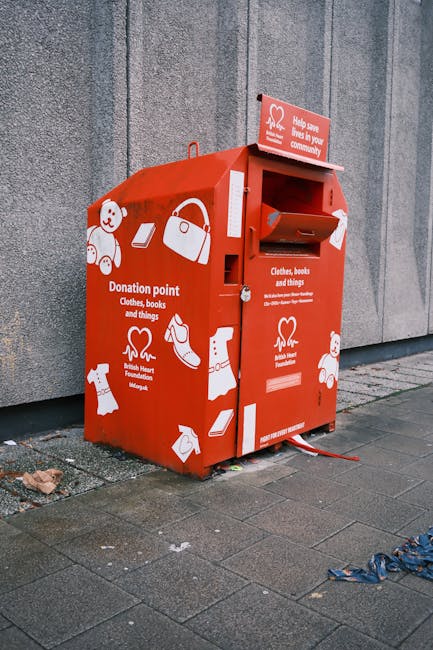
There's also a community angle. When people donate good-quality items instead of throwing them away, local households and charities benefit. A perfectly decent chest of drawers does not need to become waste just because you are redecorating. It's surprising how often a quick check before collection saves an item from the skip.
If you are planning a larger clearance, it can help to understand the wider service picture too. Pages such as the services overview and recycling and sustainability information give useful context on how responsible disposal is approached locally.
How Recycling and donation options in Kentish Town for bulky items Works
The process usually starts with one simple question: is the item reusable, recyclable, or neither? That sounds obvious, but it saves a lot of confusion later.
Reuse means the item still has life left in it. Think solid wooden furniture, working home appliances, bookshelves, office chairs, and some homeware. If it's clean, safe, and functional, donation may be the best first stop.
Recycling is for items that are no longer suitable for use but can still be broken down into useful materials. Metal bed frames, some white goods, certain types of furniture, and separate material components may be handled this way, depending on condition and processing route.
Specialist disposal applies when the item is damaged, heavily contaminated, or made up of mixed materials that can't be easily separated. Mattresses, broken wardrobes, old office furniture, and awkward large items often fall into this category.
In Kentish Town, a practical clearance often involves a mix of these routes. For example, a household clearing a spare room may donate a usable bookcase, recycle a metal frame, and book collection for a damaged sofa. That mixed approach is usually the most efficient and the most sensible.
For larger or more awkward clearances, you may want a service that understands sorting and separate handling. Relevant pages like house clearance in Kentish Town and waste clearance in Kentish Town can help you think through the right route without overcomplicating things.
Key Benefits and Practical Advantages
Using recycling and donation routes for bulky items is not just a nice idea. It has practical benefits you notice immediately.
- Less waste sent to disposal, which is better for the environment and usually better for your conscience too.
- Lower overall costs when items can be donated or separated for recycling before a paid collection.
- Faster room clearance, especially in flats and terraced homes where space is tight.
- Better local outcomes because usable items stay in circulation instead of becoming dead weight.
- Reduced fly-tipping risk by using proper collection and sorting routes.
- More flexible planning when you know what can be kept aside for reuse and what needs removal.
There is a less obvious benefit too: a clearer mind. Anyone who has lived through a move, a refurbishment, or a bereavement clearance knows that bulky items become part of the emotional clutter. Getting them handled properly can make a room feel lighter, almost instantly. Sounds dramatic, but it really can.
If you are comparing service options, the article on rubbish removal pricing in NW5 is useful for understanding cost expectations in a straightforward way.
Who This Is For and When It Makes Sense
This topic is relevant to a lot more people than you might think. In practice, it tends to matter most for:
- homeowners replacing furniture or appliances
- renters moving out of a flat with bulky leftovers
- landlords clearing furniture between tenancies
- families dealing with house downsizing
- small businesses removing office desks, chairs, and cabinets
- people helping a relative clear a property
- anyone who wants to avoid a messy pile-up on the pavement
It also makes sense when you have a mixed load. Maybe the sofa is too worn for donation, the dining chair set is still decent, and the desk drawer is broken. That's very common. You do not need every item to go the same way.
In Kentish Town, where many properties are compact and access can be awkward, planning ahead matters. If you live near a busy road or in a building with shared access, you may want to avoid leaving items outside for long. One wet evening and the job becomes twice as unpleasant. To be fair, no one enjoys moving soggy furniture at 7am.
Step-by-Step Guidance
- Sort everything into three groups. Keep items for donation, items for recycling, and items for disposal. If you are unsure, put the uncertain ones in a separate pile.
- Check condition honestly. A wobbly chair with no missing parts may still be reusable. A cracked mattress or broken laminate wardrobe usually is not.
- Clean items before donation. A quick wipe-down can make a big difference. Donation partners are far more likely to accept something that is tidy and complete.
- Measure the bulky items. This helps with access, lifting, and booking the right collection method. It also avoids the classic "it looked smaller in the bedroom" problem.
- Decide whether manual moving is safe. If the item is heavy, awkward, or needs dismantling, don't improvise with a friend and a questionable back brace.
- Book collection or handover. Use the most suitable route for each pile, whether that means donation drop-off, recycling separation, or a full clearance service.
- Keep paperwork and notes. For larger clearances, a simple list of what went where can be useful, especially for landlords and small businesses.
A good rule of thumb: the better you sort beforehand, the smoother the whole process becomes. That can cut delays, reduce extra handling, and sometimes reduce the amount you pay. Small effort, decent payoff.
Expert Tips for Better Results
After a lot of real-world clearances, the same practical patterns show up again and again.
- Start with the largest item first. Big furniture usually determines the rest of the plan. Once that is solved, everything else becomes easier.
- Take photos before booking. This is especially useful for bulky items with mixed materials or visible damage. Good photos help avoid misunderstandings.
- Separate metal parts where possible. A dismantled bed frame or shelving unit is often easier to recycle or move safely.
- Don't assume all furniture is donation-ready. Many organisations are selective, especially if items are stained, unstable, or missing fittings.
- Think in terms of access, not just volume. A large item in a third-floor flat with a narrow stairwell can be more difficult than a bigger load at ground level.
- Book earlier in the day if timing matters. Morning collections often give more flexibility if the job takes longer than expected.
One useful local habit: keep a "maybe donate" area in a spare room or hallway while you decide. It prevents rushed decisions and makes it easier to hand over decent items in one go. No drama, no pile in the corner for three months.
For homeowners and landlords alike, it can also be smart to look at related support pages such as insurance and safety guidance if the removal involves lifting, access risks, or shared building areas.
Common Mistakes to Avoid
A few avoidable mistakes turn a straightforward bulky item clearance into a headache.
- Leaving donation decisions until the last minute. This often results in items being discarded simply because there was no time to assess them properly.
- Mixing recyclable materials with general rubbish. Once mixed, recycling opportunities can be lost.
- Forgetting access issues. Stairwells, tight corners, parking restrictions, and lift sizes all matter.
- Booking the wrong type of service. Not every removal is a simple one-item job. A house clearance may suit a bigger sort-out better.
- Overlooking safety. Bulky items can have sharp edges, broken glass, or unstable frames. That's when fingers get caught and tempers get short.
- Putting items out illegally or too early. This can create clutter, complaints, and the risk of enforcement action.
It's also easy to make the emotional mistake of treating everything as waste. Sometimes a piece of furniture just needs a new home, not a new pile of guilt attached to it.
Tools, Resources and Recommendations
You don't need a complicated toolkit, but a few practical items make bulky item handling much easier:
- measuring tape for access checks
- basic gloves for handling dusty or rough items
- blankets or covers to protect floors and shared hallways
- labels or tape for sorting donation and recycling piles
- screwdrivers or hex keys for simple dismantling
- a phone camera for documenting item condition
For wider planning, these pages are especially helpful: pricing and quotes, rubbish removal in Kentish Town, and the sustainability page. They help you compare practical routes before making a booking.
If your bulky load includes building debris, garden items, or office furniture, it is worth matching the service to the waste stream. A one-size-fits-all approach usually ends up being clumsy. The more specific the job, the easier it is to get an efficient result.
Law, Compliance, Standards, or Best Practice
Bulky item disposal in the UK should always follow responsible waste-handling practice. That does not mean you need to become a legal expert, but it does mean staying cautious about who takes your items and where they end up.
A basic best-practice approach is simple:
- use a reputable service or recognised donation route
- avoid leaving bulky waste in public spaces
- keep records for larger clearances where sensible
- make sure any collector is handling waste appropriately
- treat electrical and upholstered items with extra care
For landlords, tenants, and businesses, this matters even more. If items are removed during a tenancy change, office move, or property sale, it is wise to keep the process clear and documented. A tidy handover helps avoid disputes later. And yes, disputes usually begin with "I thought someone else was sorting that."
If you need a broader service framework, the site's about us and modern slavery statement pages can give reassurance about business standards and responsible operations.
Options, Methods, or Comparison Table
Here is a simple way to compare the most common options for bulky items in Kentish Town.
| Option | Best for | Pros | Limitations |
|---|---|---|---|
| Donation | Reusable furniture, household goods, decent-condition items | Extends item life, helps others, may reduce waste | Not all items are accepted; condition matters |
| Recycling | Metal frames, separable materials, some broken items | Recovers materials, reduces landfill reliance | Items must be suitable for processing |
| Bulky waste collection | Large, damaged, or awkward items | Convenient, handles heavy lifting, good for mixed loads | May cost more than donation or DIY sorting |
| House clearance | Multiple bulky items or whole-room clear-outs | Efficient for big jobs, good for mixed waste streams | Can be overkill for just one item |
If you are choosing between these methods, the simplest question is this: can the item still do a useful job for someone else? If yes, donation comes first. If not, can its materials be recovered cleanly? If yes, recycling is the better route. If neither is realistic, proper collection is the answer.
Case Study or Real-World Example
A typical Kentish Town scenario goes like this. A couple clearing a two-bedroom flat has a sofa bed, a pine bookcase, two dining chairs, and an old desk. They want the room back by the weekend. One chair is loose but repairable. The desk is scratched but solid. The sofa bed is too worn for donation, while the bookcase still looks decent after a quick clean.
The sensible split is straightforward: donate the bookcase and possibly the chair if it meets acceptance standards, recycle the desk components where appropriate, and book a collection for the sofa bed. If they had tried to throw everything into the same pile, they would likely have paid for more than they needed and lost a reuse opportunity.
In our experience, this kind of mixed decision is the norm rather than the exception. Not every bulky item has the same fate. That's the point. The best outcome is often a combination of reuse and removal, not one or the other.
Practical Checklist
Use this quick checklist before you move anything out of the property:
- Have I checked whether the item can be donated?
- Is the item clean enough for reuse?
- Can the item be safely dismantled?
- Have I measured doors, stairwells, and access points?
- Do I know which items are recyclable and which are general bulky waste?
- Have I taken photos of anything valuable or unusual?
- Is there enough space to stage the items safely?
- Do I need help with lifting or carrying?
- Have I chosen the right service type for the load?
- Am I clear on what happens to the items after collection?
If you can tick most of those off, you are already ahead of the game.
Conclusion
Recycling and donation options in Kentish Town for bulky items are not just a waste problem to solve. They are a practical way to save space, reduce unnecessary disposal, and keep usable goods in circulation. The best approach is usually to sort first, donate where possible, recycle where suitable, and use professional removal for the items that are too damaged, too heavy, or simply too awkward to handle safely.
That mix of judgment and practicality is what makes the whole process work. No fuss, no overthinking, just a sensible route for each item. And once the bulky stuff is gone, the room feels different. Bigger somehow. Calmer too.
If you are planning a move, a clear-out, or a one-off bulky collection, take a moment to compare your options and choose the route that fits the items in front of you, not the one that creates the least immediate effort.
Get a free quote today and see how much you can save.
Sometimes the best home improvement starts with one honest sort-out and a decent decision.



 Tipper Van - Waste Collection and Rubbish Removal Prices in Kentish Town, NW5
 Luton Van - Waste Collection and Rubbish Removal Prices in Kentish Town, NW5